


At safari-dynamics, we believe in the power of education and awareness to change the narrative surrounding wildlife. Our mission extends beyond mere observation; we aim to foster a deeper understanding of the intricate relationships between humans and animals. Together, we can advocate for responsible tourism that respects and preserves the natural world. Let us embark on a journey that not only opens our eyes to the wonders of wildlife but also ignites a passion for conservation and ethical practices in tourism.
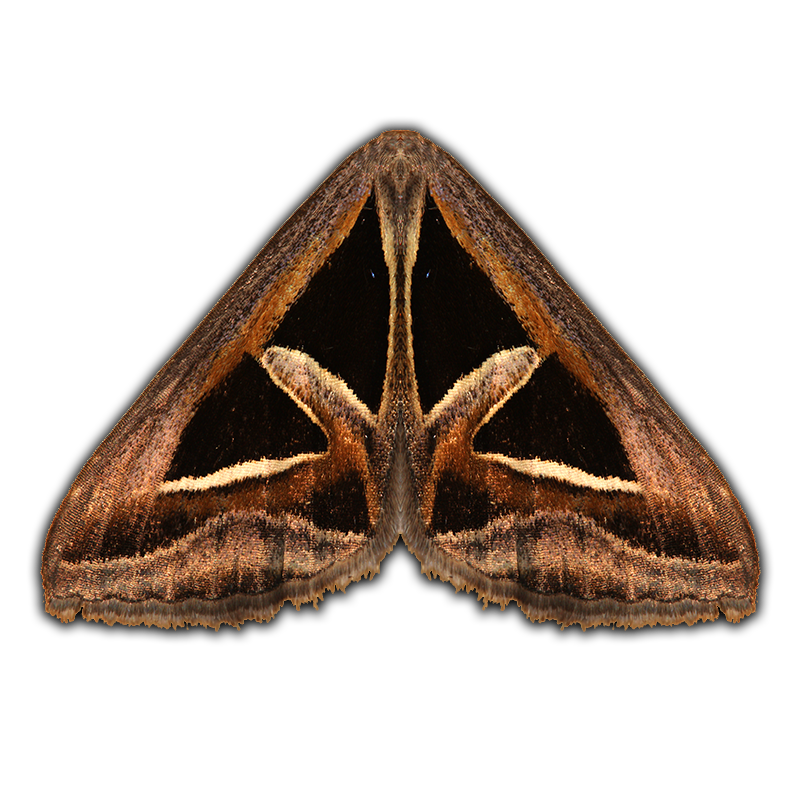
Triangles (Trigonodes hyppasia)
Just think about the following topics:
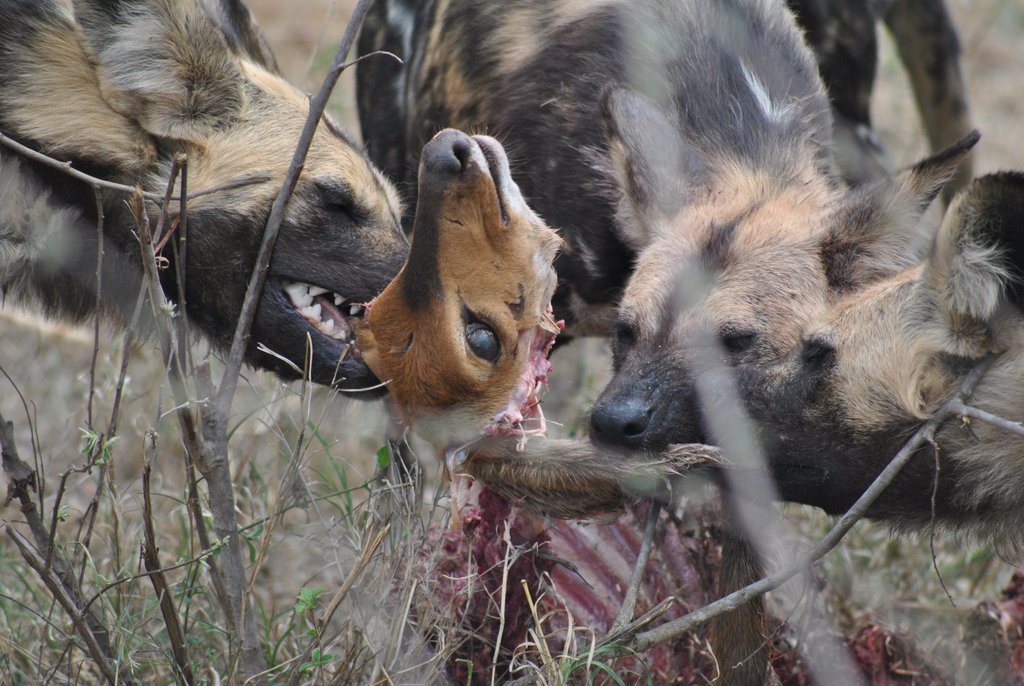
Predator Kills
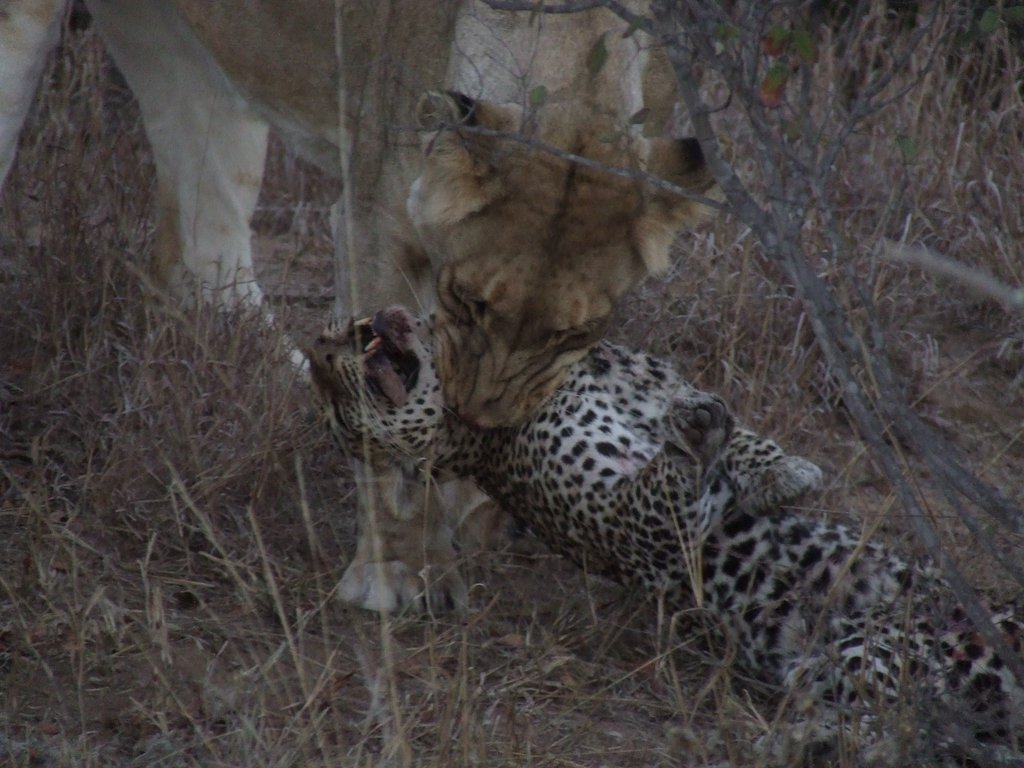
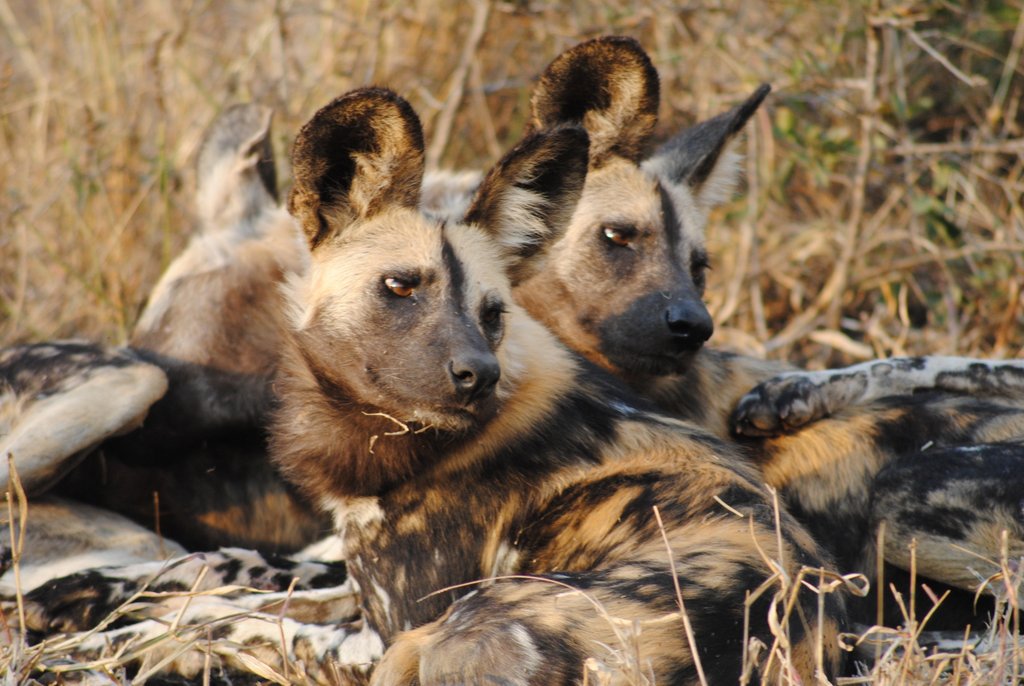
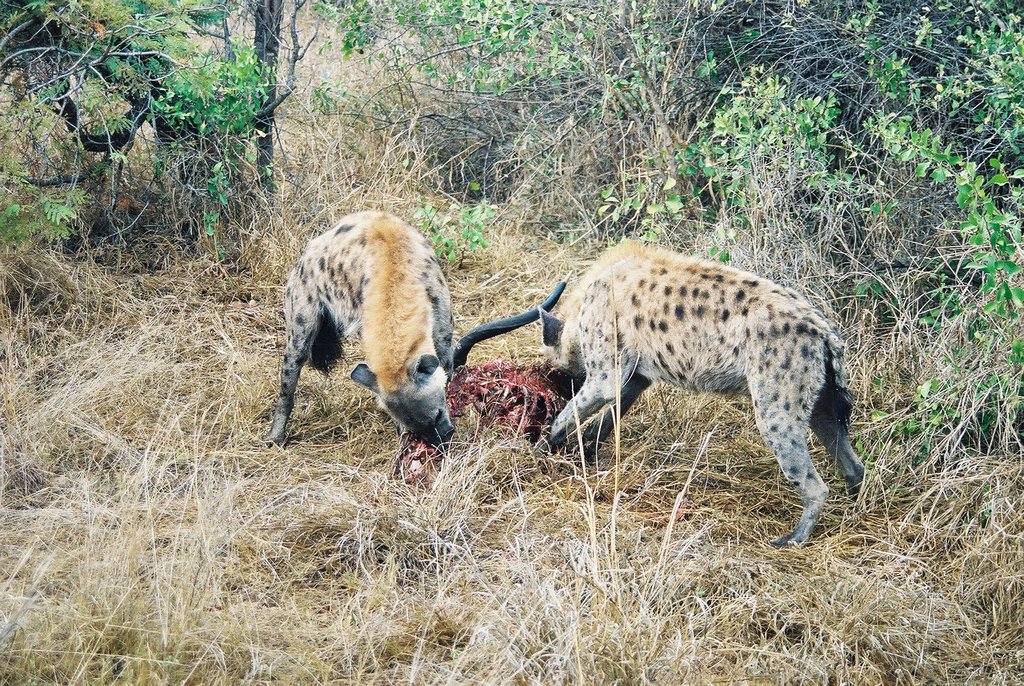
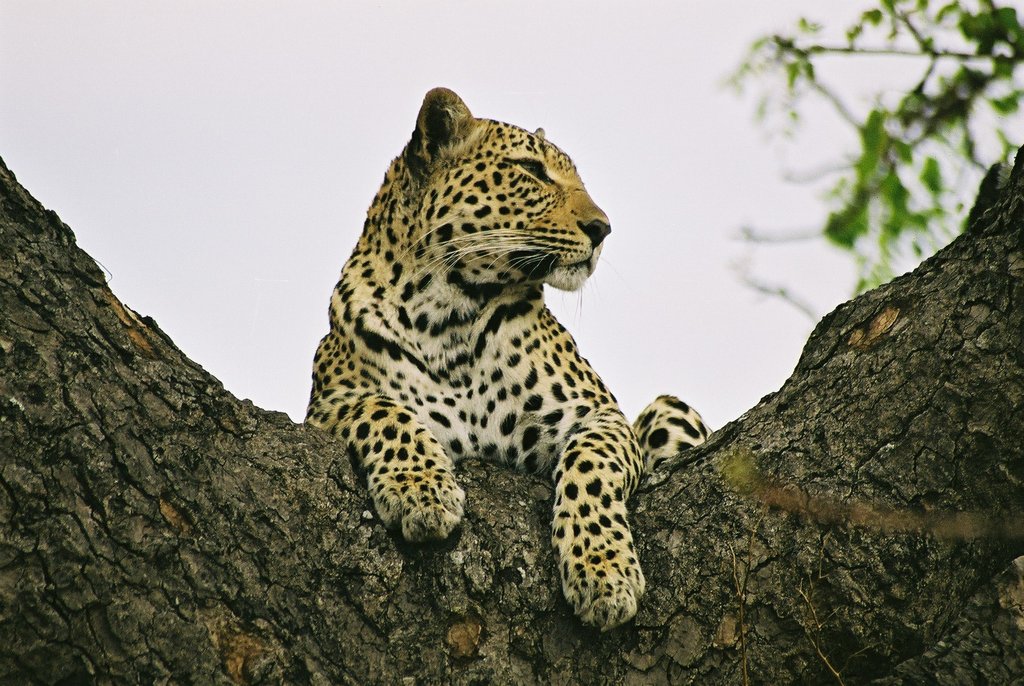
Why are so many humans eager to see kills? Do they not understand that every animal wants to live as humans do? We cannot prevent predators from killing and that is not the idea but rather to understand where the “blood-thirsty” craving comes from. Why is it so common for people to state that they witnessed a kill as if it was something great? Do people enjoy watching their steak getting killed? Many of the people who lived and observed hundreds of kills in the wilds feel sorry for the prey-animal and with difficult emotions to except Nature’s way. Of course, the chase is exiting due to the action but how often are the prey animals killed slowly with incredible suffering and great disress? I have seen hundreds of kills by Lions, Leopards, Hyenas, Wild dogs and other predators with guests and found that it had significant emotional effects on people. Often the same people who wanted to see kills were shocked and emotionally traumatised when they eventually did observe kills. Multiple incidents have occured where guests wanted to leave the reserve as the sighting was too graphic and psycologically desturbing. Deducting from such behaviour it seems that people heard other people talk about kills as if it was something special but on experiencing the reality of it they instantly changed their perception. Watching documentaries is one thing but seeing a brutal kill in person is totally different as more senses are being used. The classic scene of a predator running and killing the prey with a bite on the throat and suffocating it is the perfect kill when it gets to “kill-viewing” but in reality it gets alot worse. The stronger the prey animal, in relation to the predator’s size, the more it puts up a fight to survive. Animals don’t simply flop over and die because the get attacked, some fight for hours before succumbing to blood-loss and extreme stress. Many prey-animals even survive the attacks and suffer greatly due to the wounds inflicted by the predators.
Lion king?
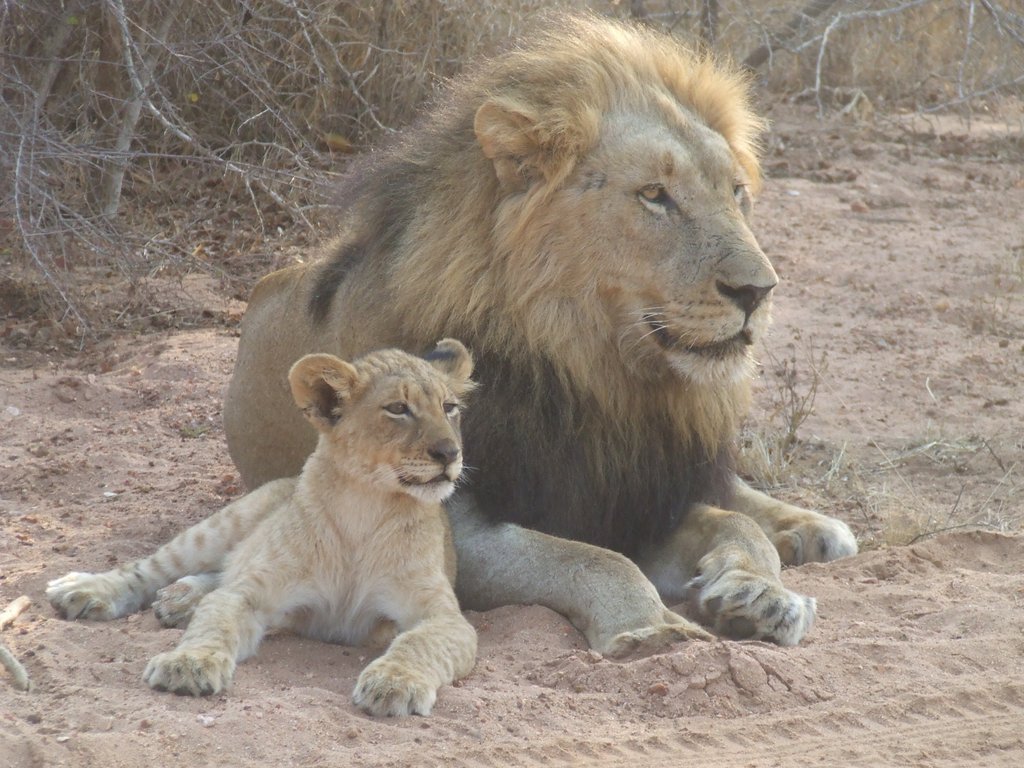
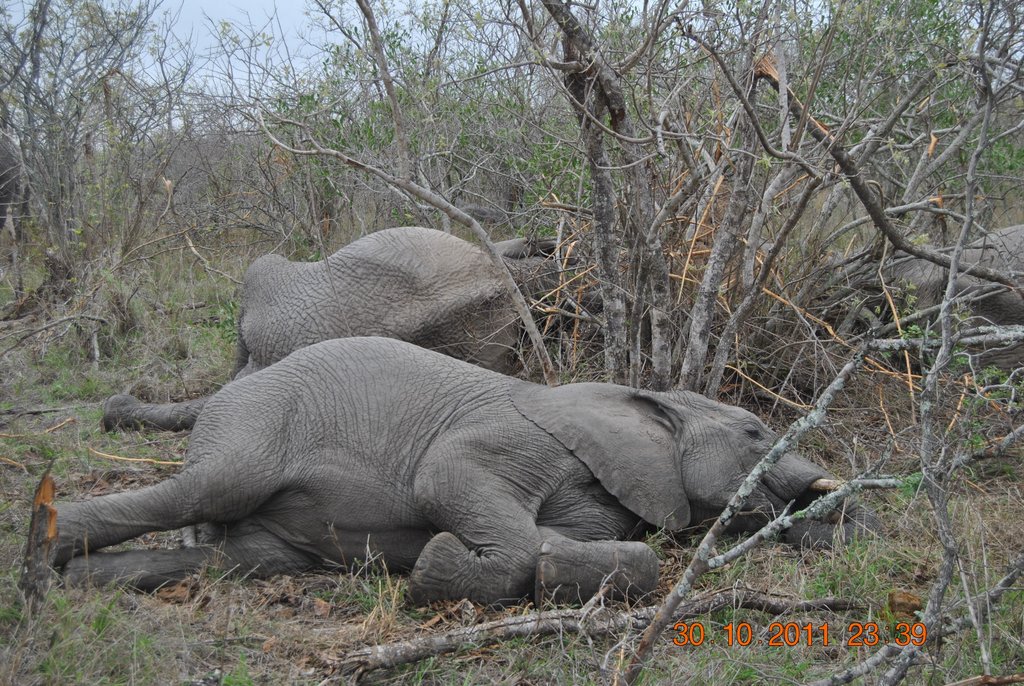
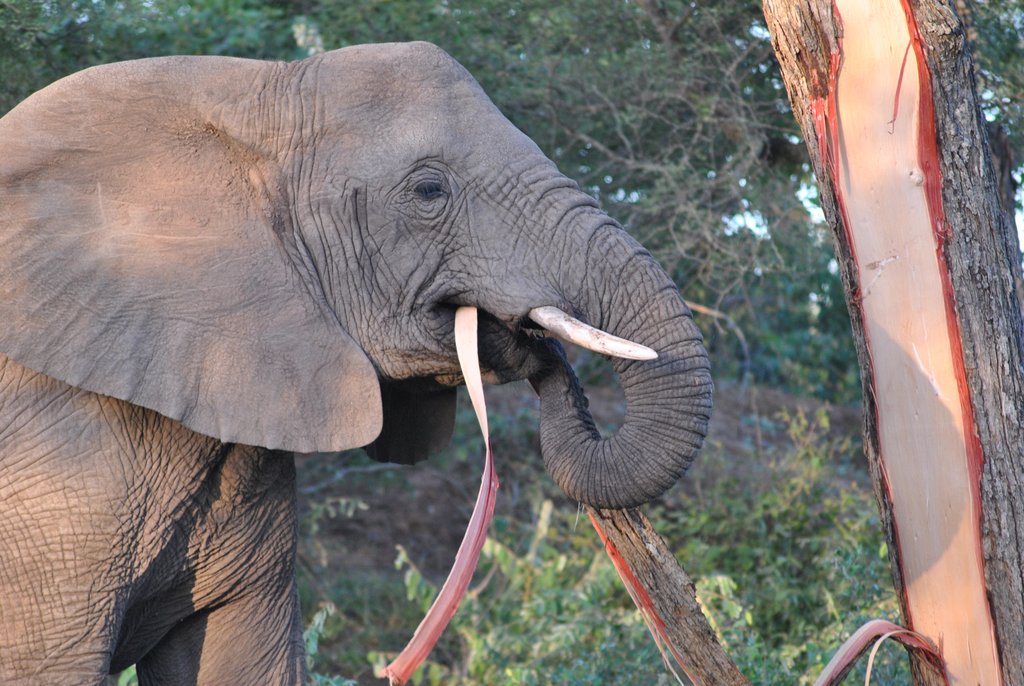
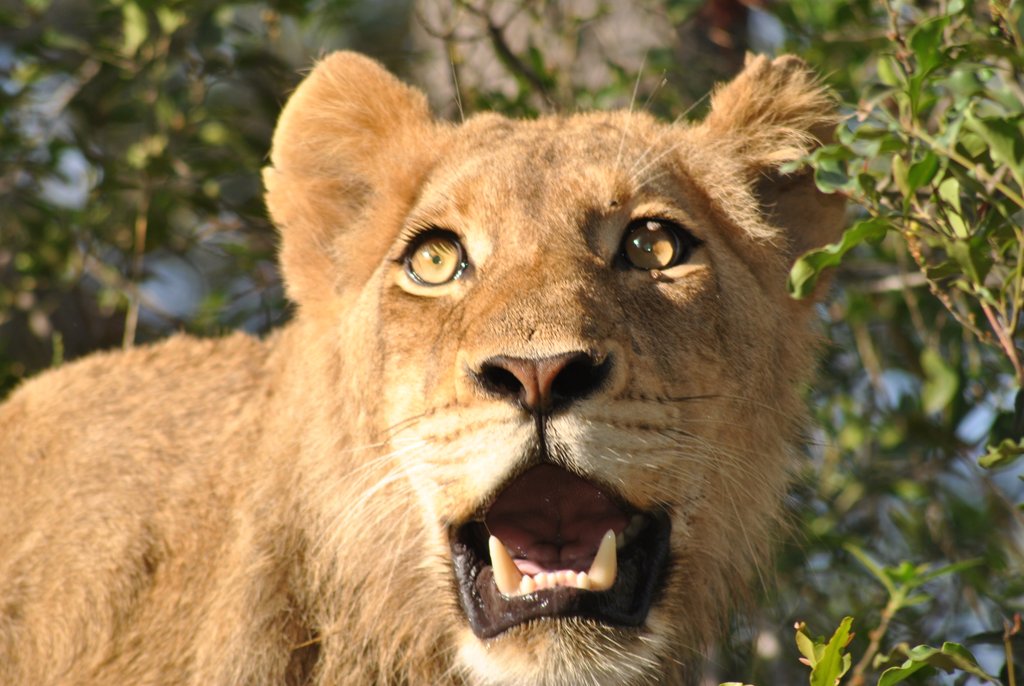
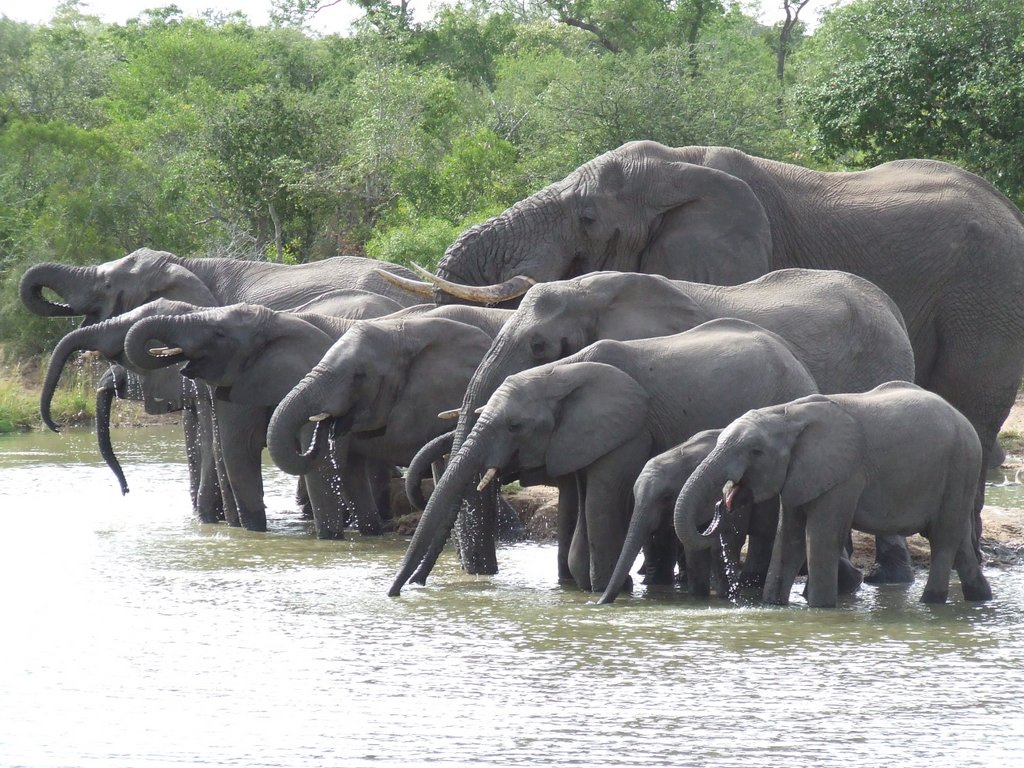
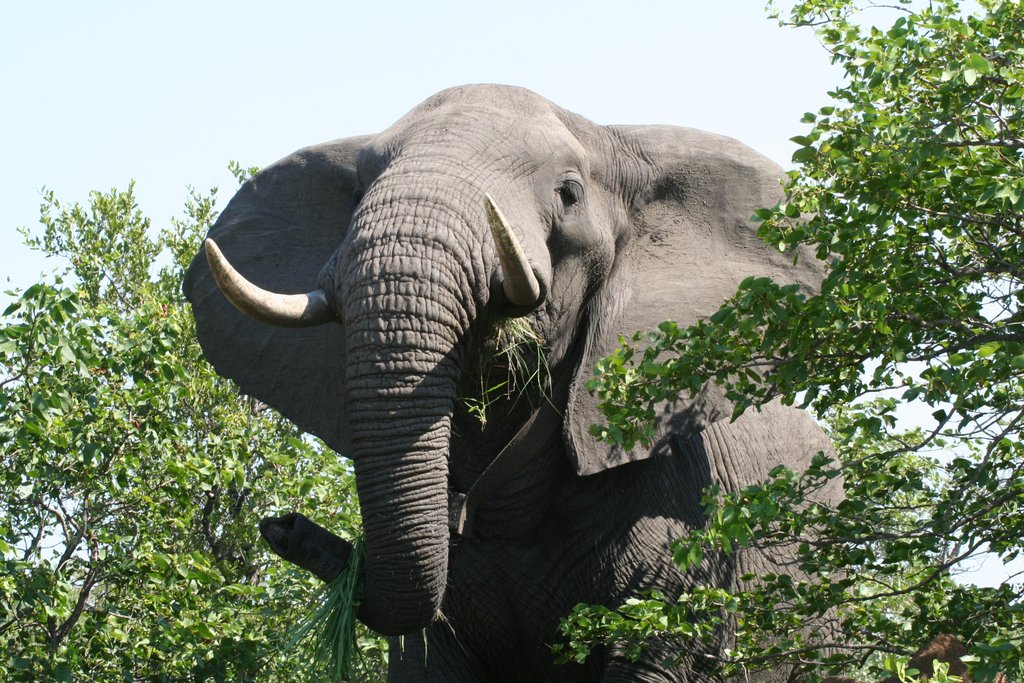
In my opinion the Lion is not worthy of having the “king of the jungle” title, especially not in environments where Elephants occur. The Lion surely looks regal and has been revered as a symbol of courage, strenth and royalty but technically would not be the King. What are the caracteristics of Kings and how does it relate to Lions? Personal attributes of a King includes Strenth-Elephants are stronger. Wisdom-Elephants are wiser. Courage-Elephants are equally courageous. Justice-Elephants do not kill indiscriminately as Lions do . Integrity-Elephants do not kill members of their own species as Lions do. Kings also have commitments towards the wellbeing of their subjects. Comparing the effects of Lions and Elephants on the rest of the animals it becomes clear that Elephants would be more qualified to be Kings than Lions. The impact Elephants have on the environment is highly beneficial to a long list of mammals, birds, reptiles and insects. Elephants construct road networks which is used by many other species including Lions. Elephants build ponds ( known as dams or water-holes in South Africa) where hundreds of species drink water. Elephants provide housing to countless creatures by pushing over trees and altering vegetation. Lion behaviour is more aligned with dictatorship. Kingship is attributed more to function than physical appearance.Of course Lions also have ecological functions such as regulating long term genetic health amongst prey species but have none of the major positive ecological impacts that Elephants have on the environment.
Lions
These iconic animals are in the killing business, they kill for a living. Its estimated that they eat up to 40% of their victims alive. They kill their own species. Lions in the Wilds kill other Lions since they are one of their own worst enemies. Adult male lions kill other adult male lions to reduce competition on their territories. Male lions kill lion cubs during pride take-overs and sometimes even kill females. Female lions kill other female lions trespassing onto their territories.
More to follow…
More Info