


History of Game Lodges
Many lodges started off being accommodation for the first owners to stay during their visits. Back in the day most owners did not live at their lodges but rather visited the area during suitable times of the year or bringing their friends and family. Some owners initially went to their lodges during the winter when it was not too hot, too rainy and the vegetation not too thick. Over time they expanded on the infrastructure which made it more comfortable to visit at any time of the year. As the demand grew from tourists the frequency of the visits increased to the point where permanent staff had to be employed. There are also non-commercial lodges exclusively for the use of the owners. Today most lodge owners don’t live at their commercial lodges as they have permanent staff managing their operations. The employees working at a lodge have their own accommodation on site and usually work cycles of six weeks on with two weeks off or three weeks on with one week off depending on how far the reserves are situated from cities and towns where employees reside. More remote reserves, mostly outside of South Africa, the work cycles are even longer. Many lodges in the private reserves are not fenced in and might only have an “Elephant wire” around to keep the Elephants out as they happily re-arrange vegetation especially during the dry winter months. Lodges with water and irrigation become very attractive green islands and therefore an electric fence is the perfect deterrence. These “Elephant wires” are generally set high above the ground stopping only Elephants and Giraffes while the rest of the animals can still walk through.
More to follow…
Irregularities
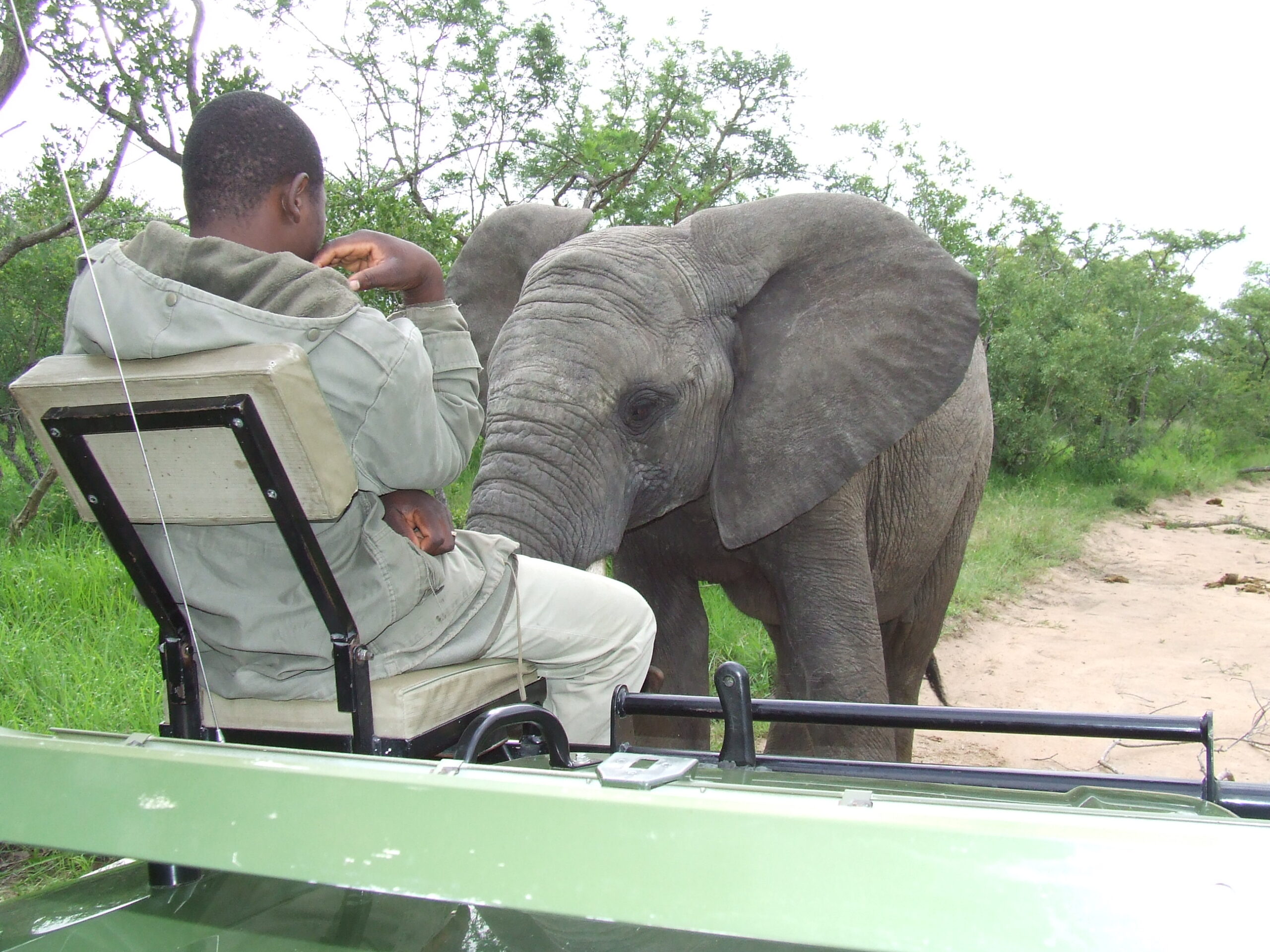
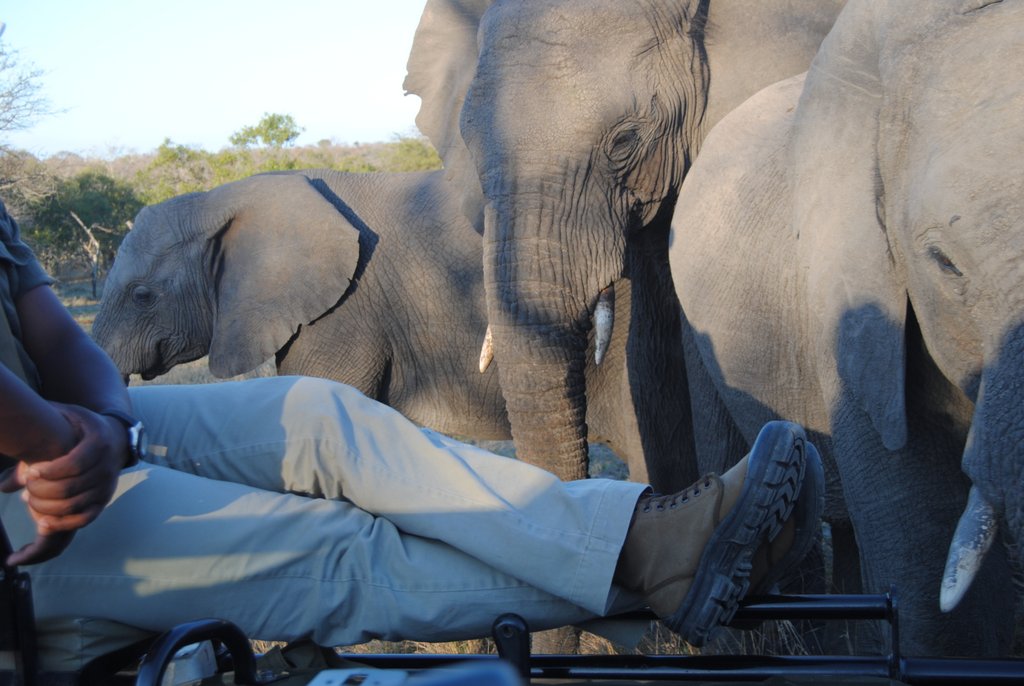
Without sound conservation codes of conduct people will do whatever they think is right using their own discretion, ranging from totally idiotic to totally uninformed, which is not in the best interest of wildlife.
Much of the irregularities in the privately owned game lodges ar driven by ignorant and willful ignorant land-owners and managers. They do not know what is ethical and have little respect for other life-forms, sending a non-caring ripple affect downwards through all tiers of employees. Being so careless they do not have sound protocols regarding the management of wildlife.
Some of these safari product owners and managers even display their ownership and authority over animals and people in such a way as to provoke envy and admiration but sadly are deceived by the attention and praise from uninformed family, friends, employees and tourists. Regardless of the negative impact on the animals and the people, their “reserves” are flaunted as conservation land yet unethically managed and stained with irregularities. They are disillusioned in thinking they know how to manage wildlife ethically.
The visitors on the other hand do not see the irregularities and would probably never book a stay there if they knew. How sad is it that those owners and managers are in control of wildlife. We truly hope that they will become informed and develop an understanding of what Nature conservation really means.
More to folloe…

More Info