

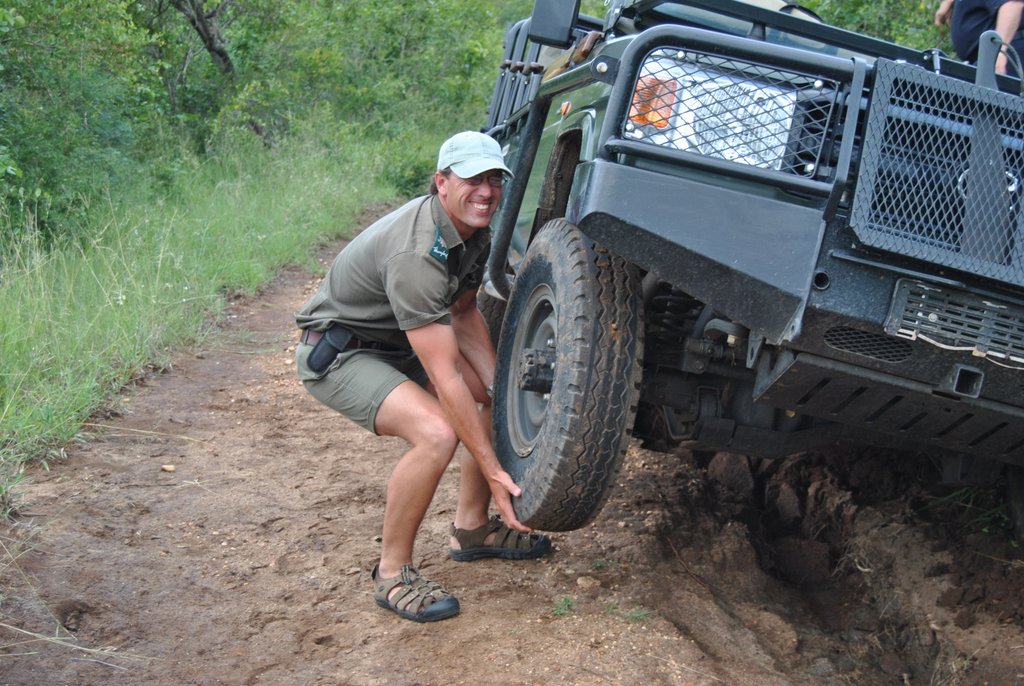
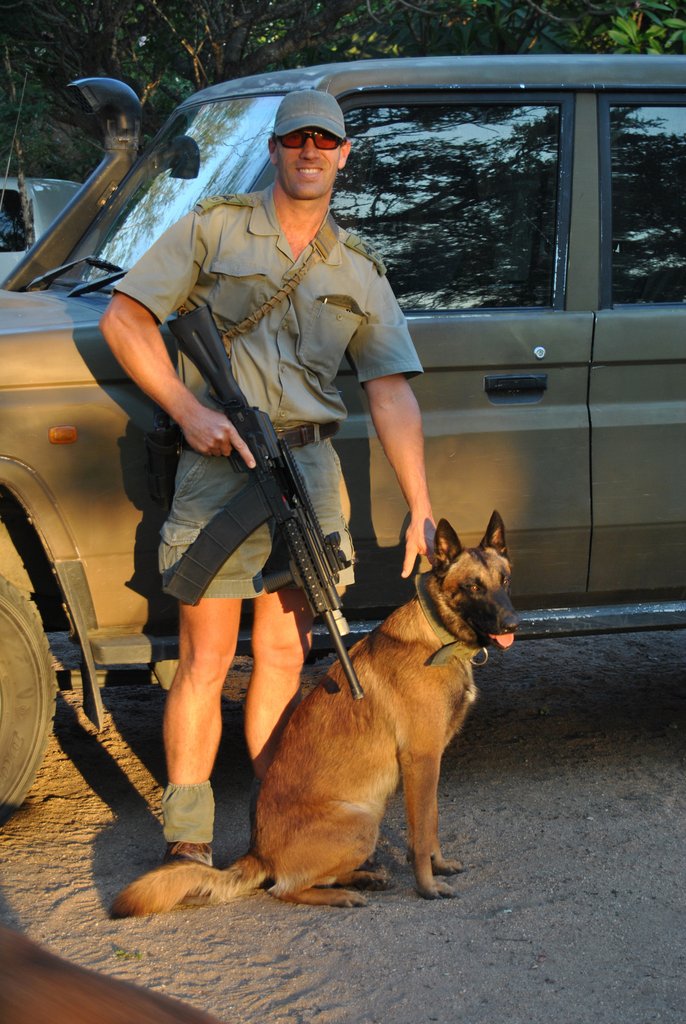
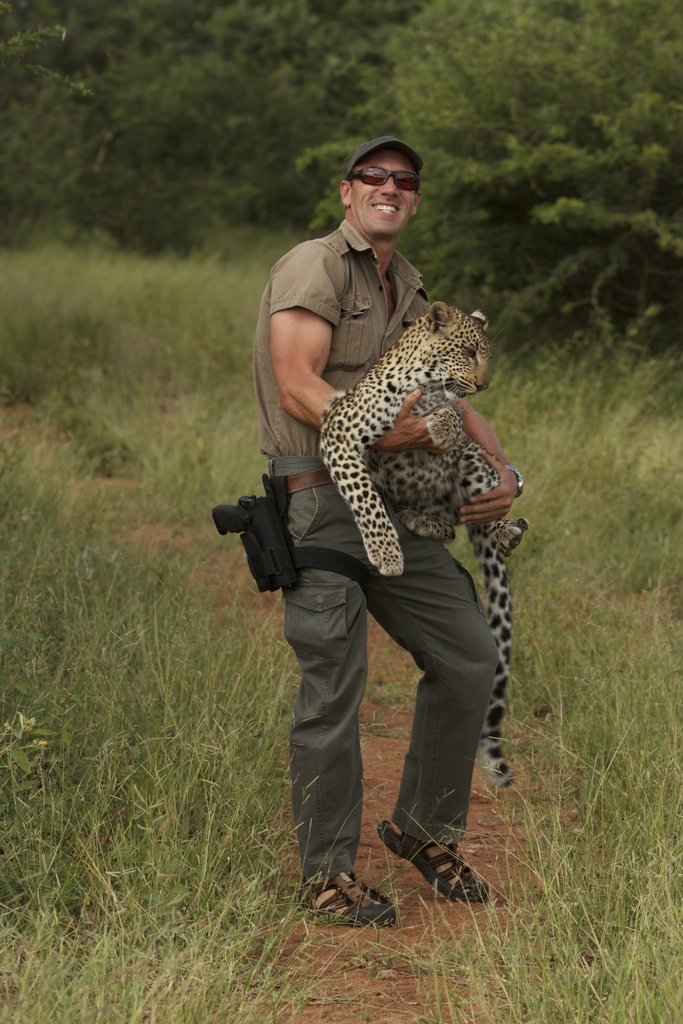
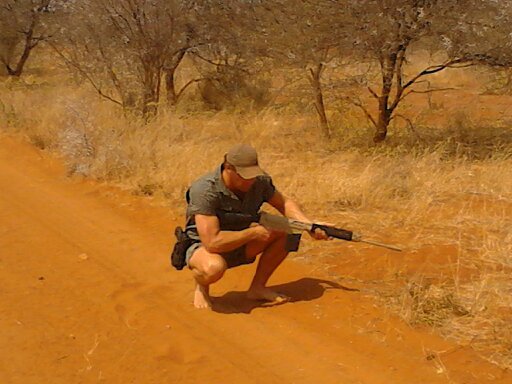
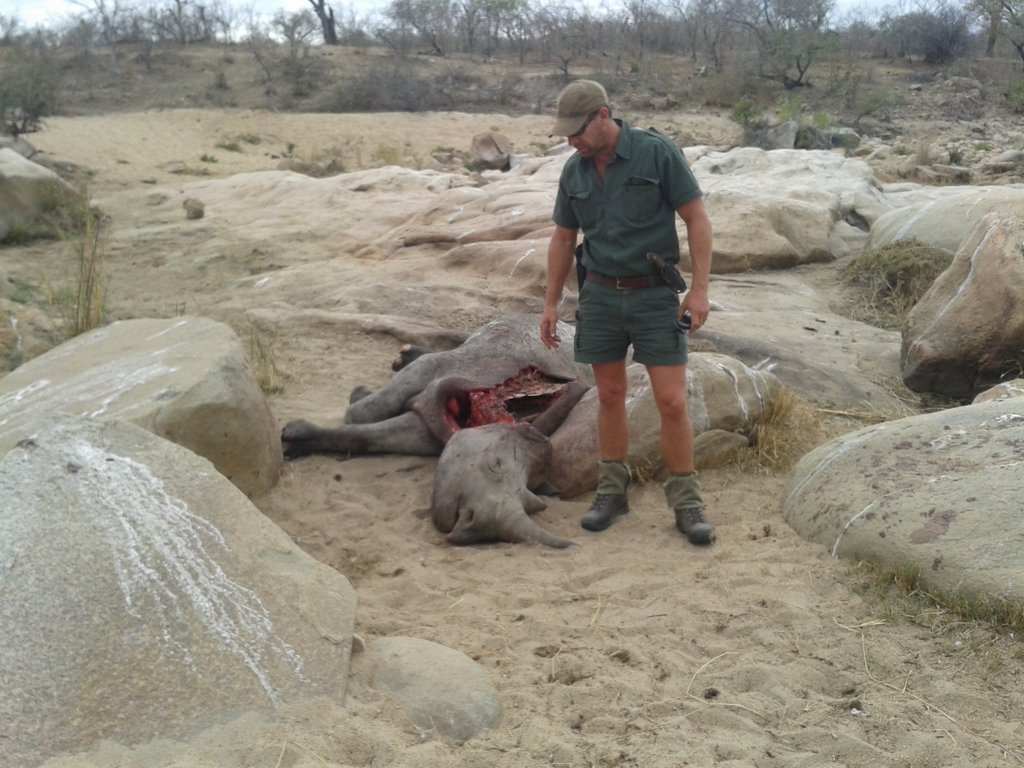

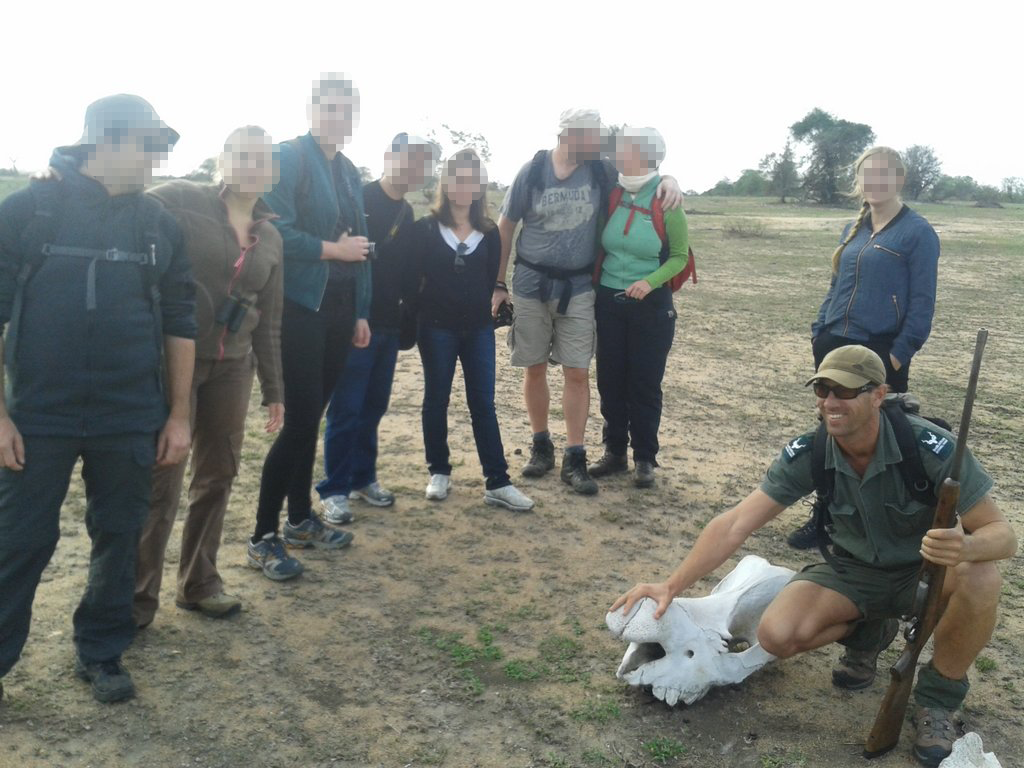
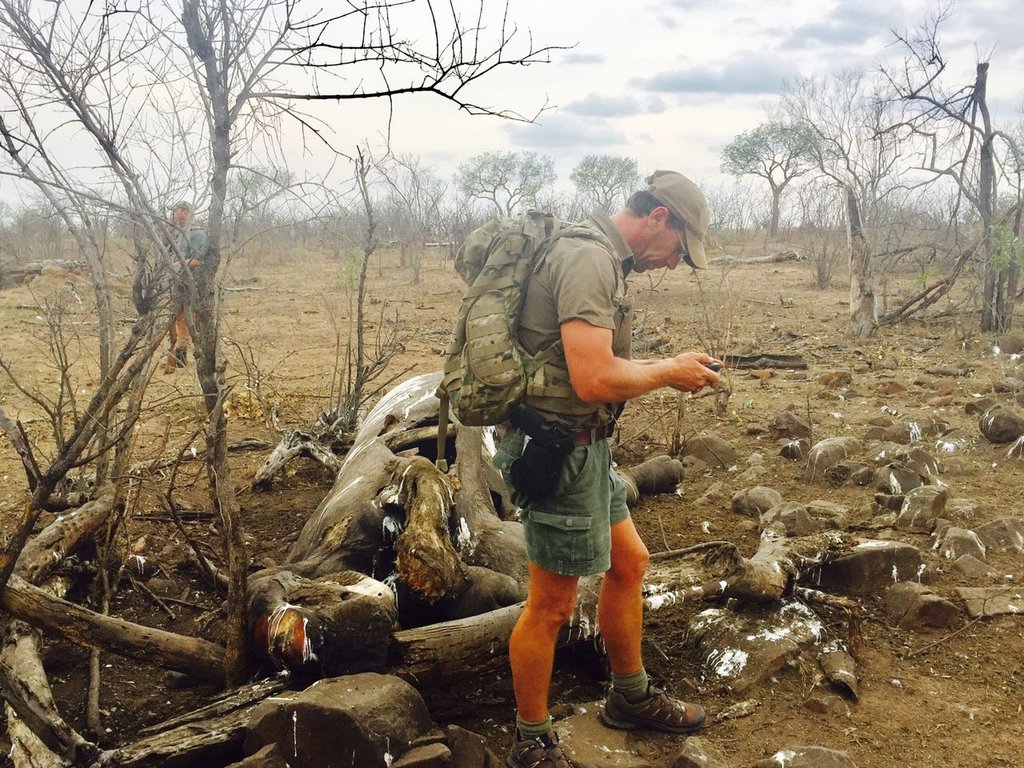
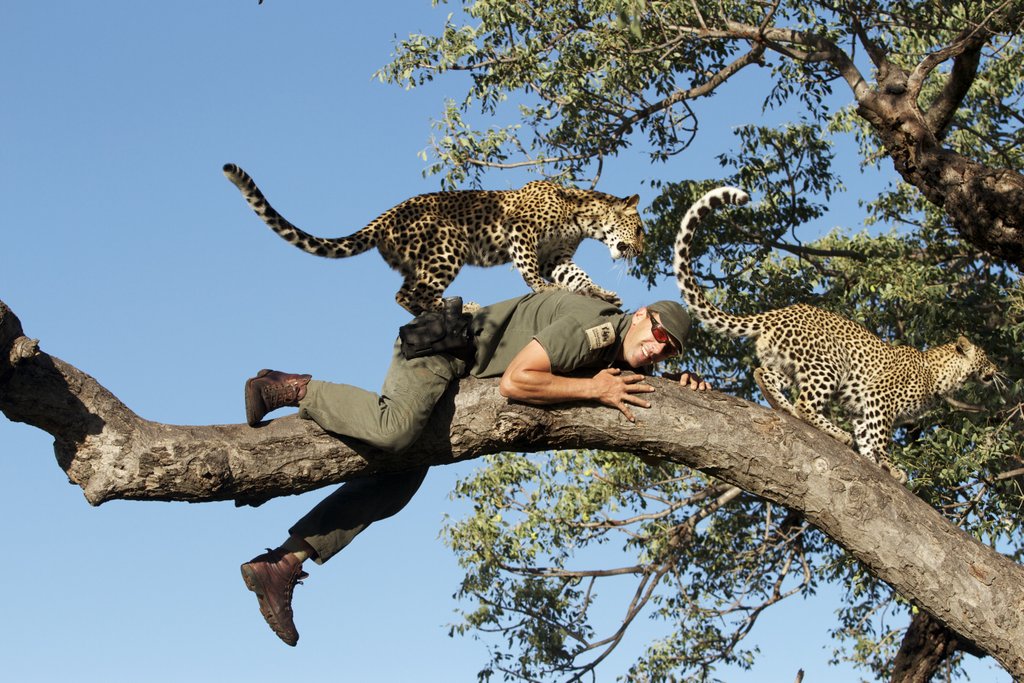
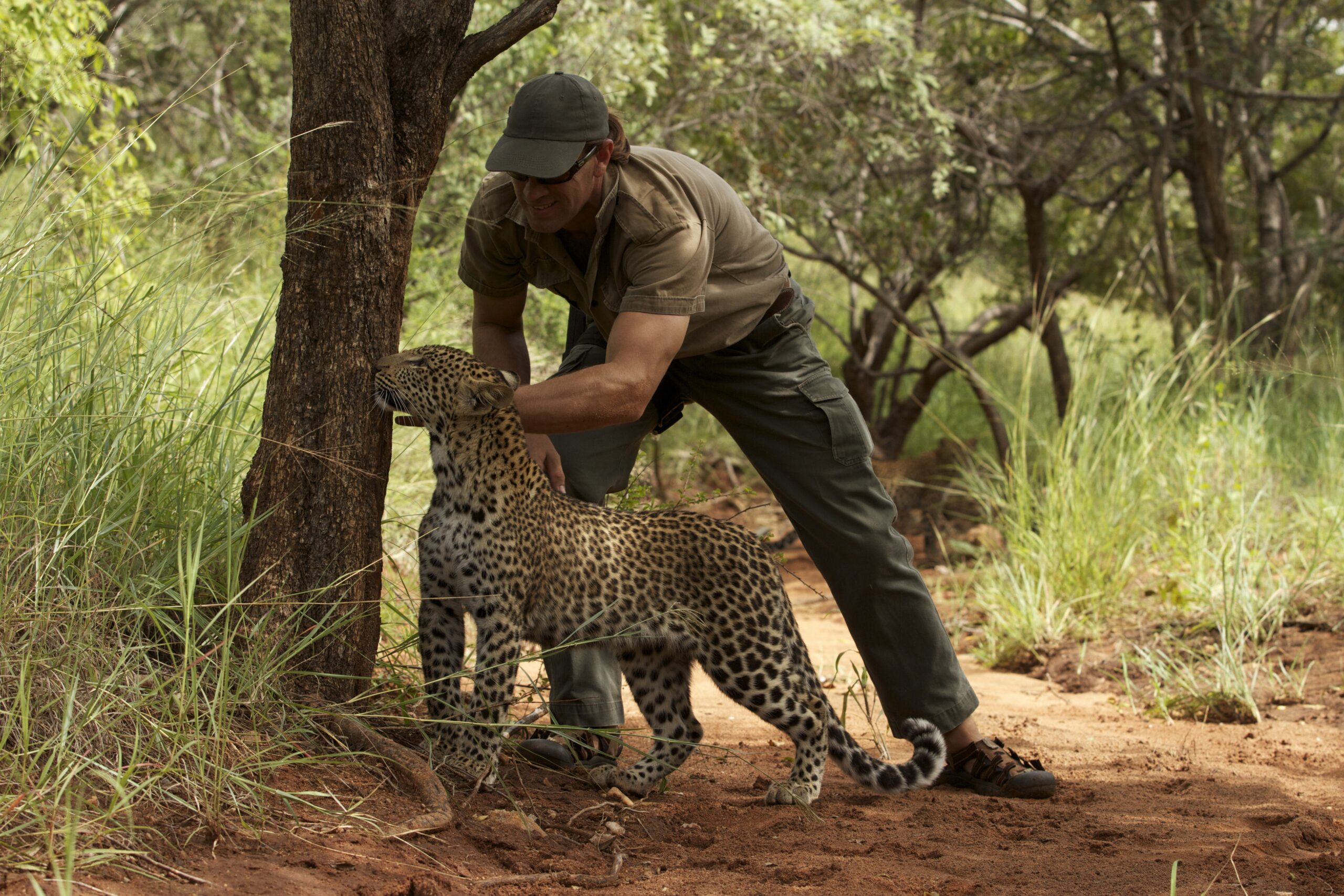
During my safari-guiding career I have worked as 4×4 and trails guide in game reserves containing the famous “Big-Five” dangerous animals. I was employed on both permanent and free-lance contracts in National reserves and multiple large privately owned reserves. I also worked in various counter-poaching units. Including the lodges where I did free-lance guiding, I worked for 35 game lodges during a time span of 32 years. I enjoyed the diversity of places, people and animals by exploring a wide geographical area, deepening my understanding of the bigger picture. The majority of years spent working in reserves were focused on physical experience and enjoyment of all the fascinating components of the bush.
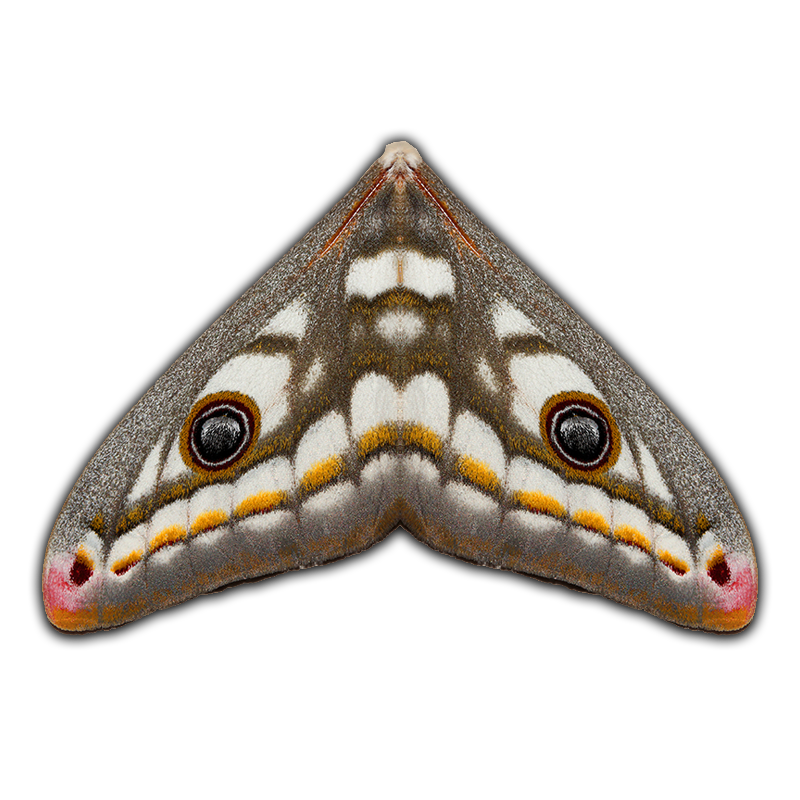
Southern Marbled Emperor moth (Heniocha dyops)
Employment stability and financial gain was never top priorities and therefore I easily moved from one job to the next in search of more diverse experience. The salary amount, retirement funds, medical aid or any other benefits were never decisive factors and never drew me to any specificic employment opportunities. I enjoyed observing hundreds of different individuals of the same species of animals in different environments. I thought that with my diverse experience I could eventually work at the reserves which I deemed to be the best, but sadly, was told that I was too old for their guiding teams at the age of 43. So much for experience, and ironically, I was and still is way more capable in a variety of skillsets, including physical strenth, than most of the other guides who were employed in the positions I applied for.
During the first years of guiding and living in the bush I was emerged in discovering all the amazing aspects of bush-life and automatically accepted everything I saw and experienced as the norm but not long into it, as I became more familiar with the dynamics of the safari industry, I started questioning certain conduct amongst people as it semed horribly wrong. Here is an example to explain what I mean- I went on night drives with other safari guides and followed Lions hunting, which initially was an incredible experience, but eventually I noticed that some of the guides were actually helping the Lions to kill by selectively blinding prey animals. They were so skilled in unethical behaviour that they could literally choose which animal they wanted the Lions to kill. Over the years I observed many such incidents which eventually inspired me to complile this website and comit to unpleasant and very challenging conservation work. I found out the hard way that certain people become hostile and spitefull when their complacency was exposed even when it was done in the a discrete and condsiderate manner.
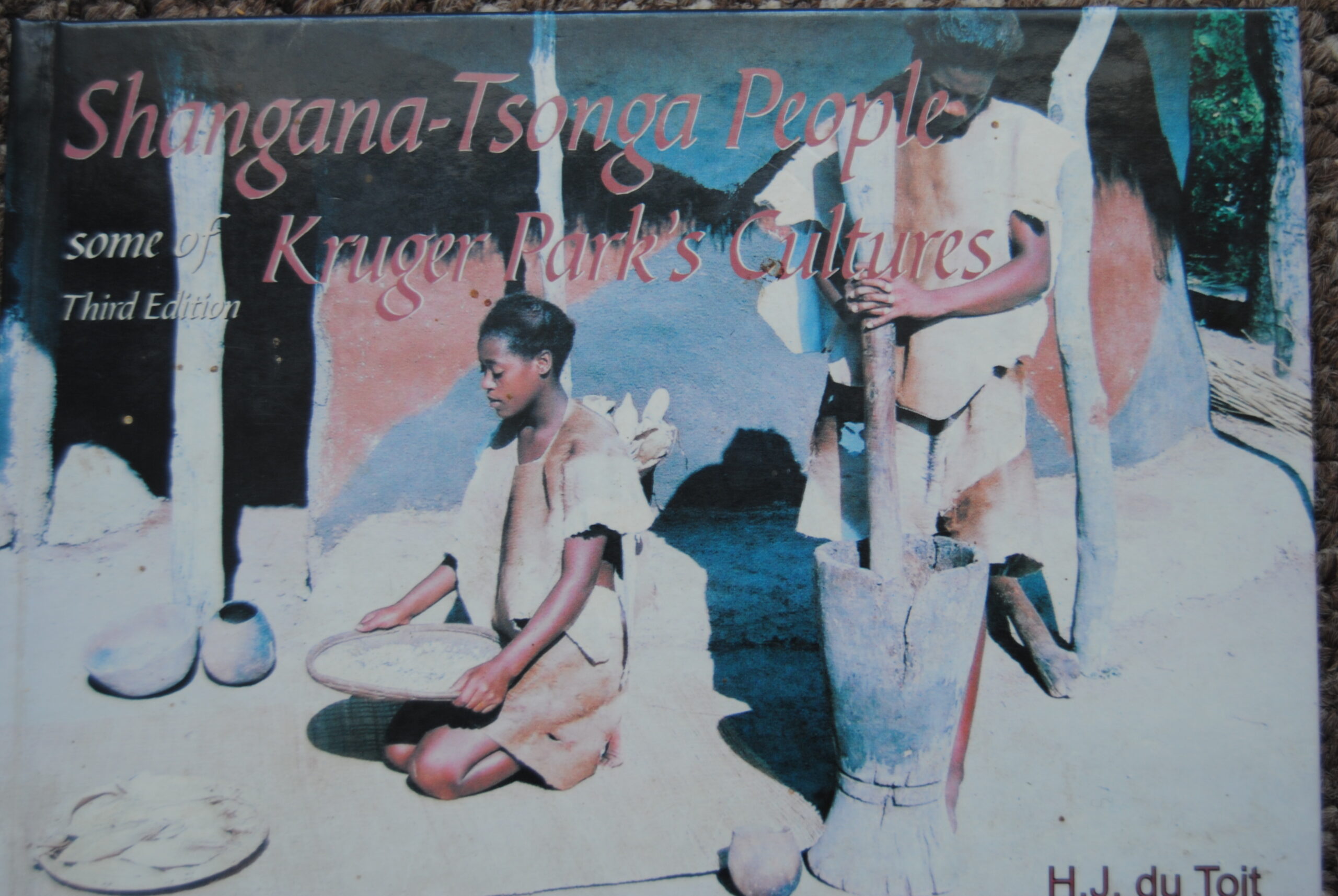
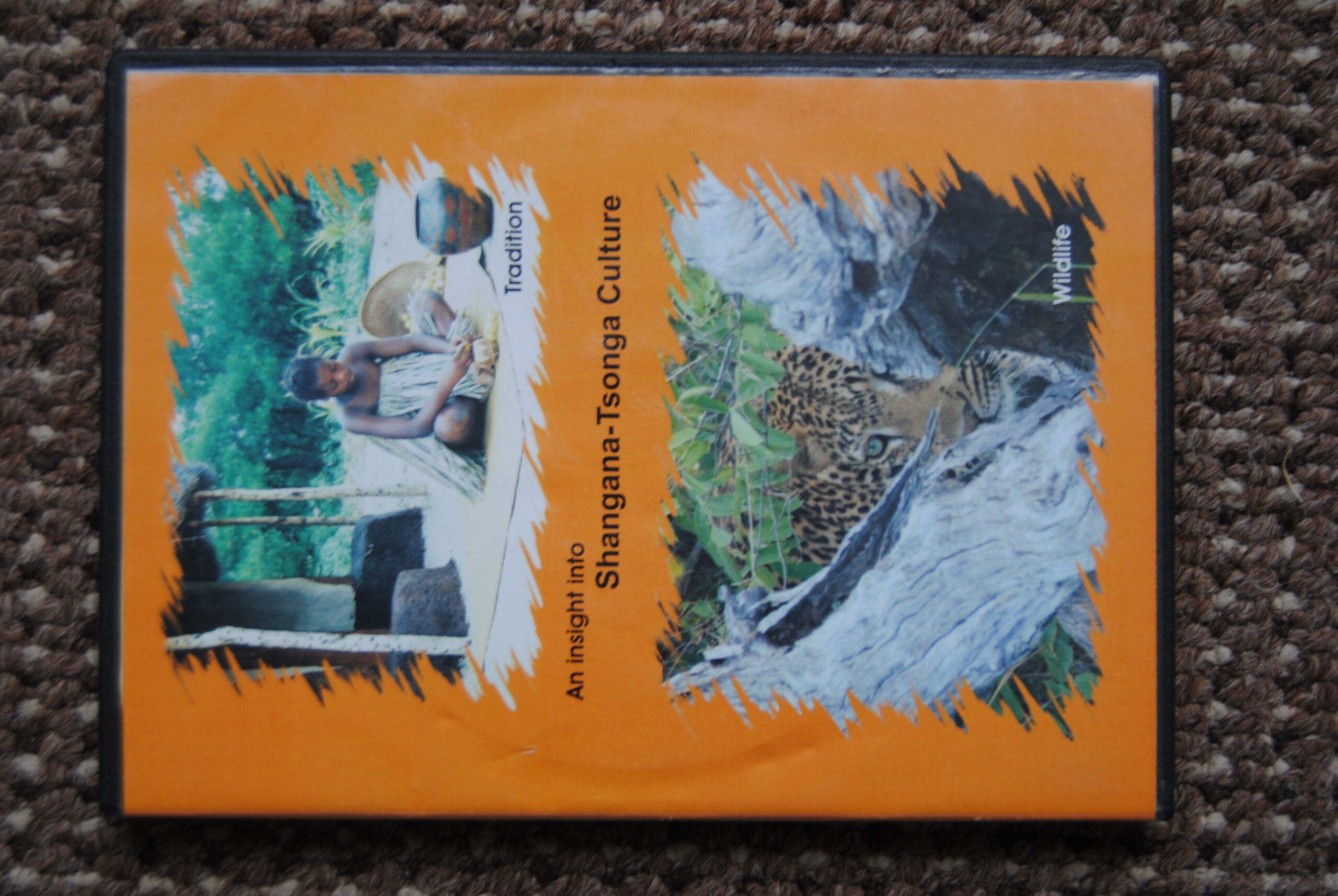
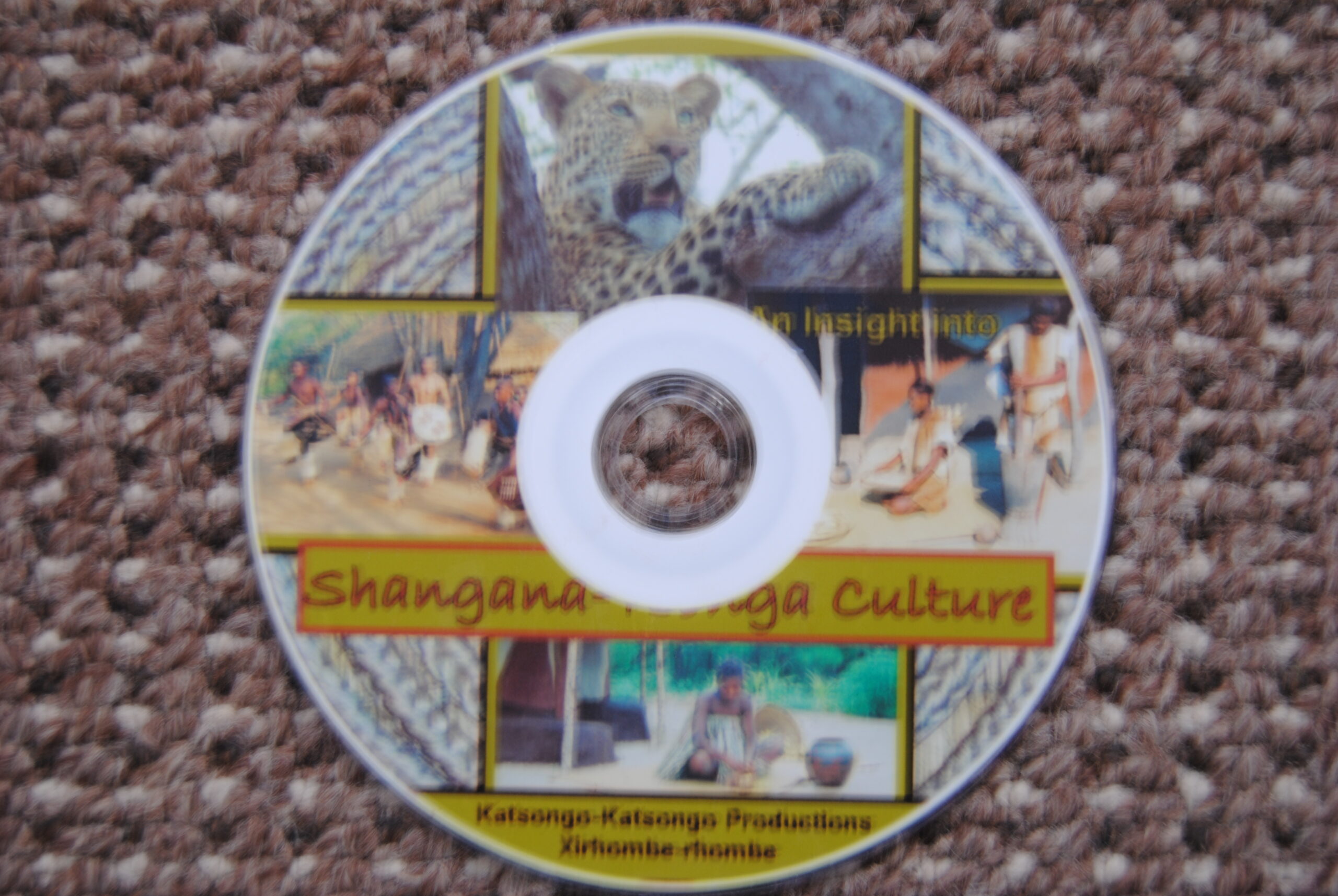
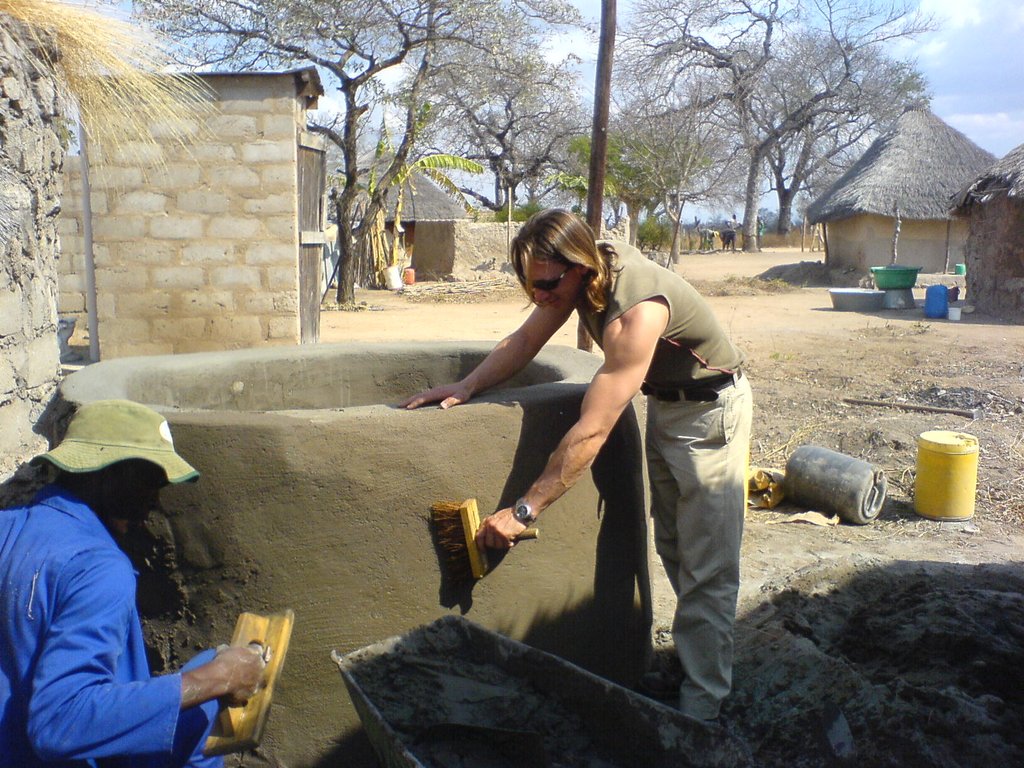
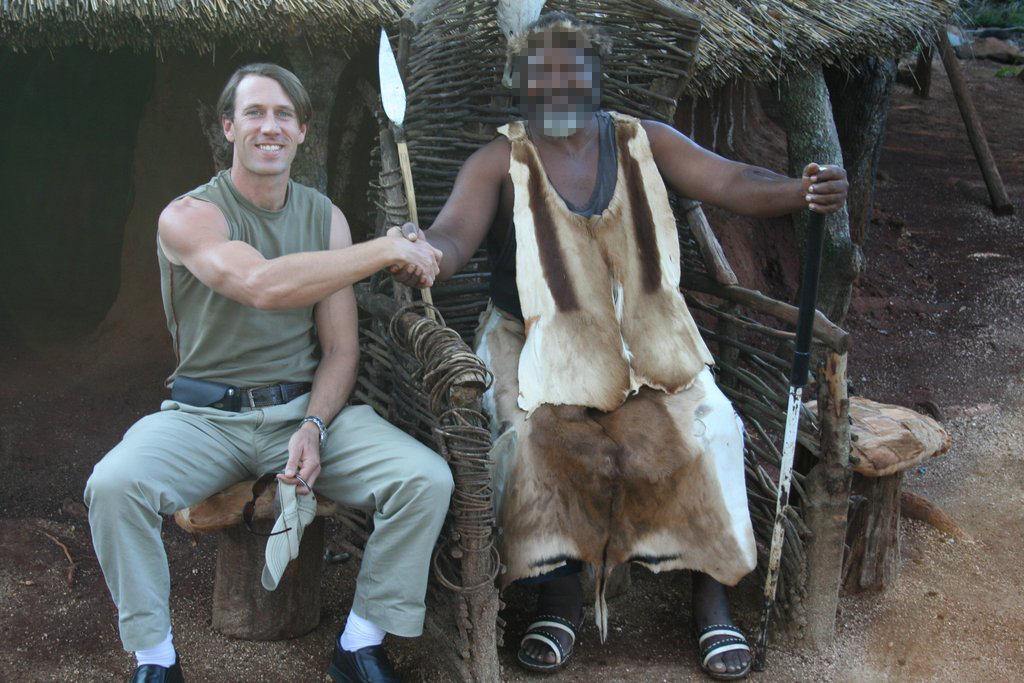
During my first three years of safari-guiding I explored the local villages bordering a game reserve and became fascinated with the knowledge of self-sustainable living in the bush. As trails guide, I became interested in the knowledge on natural resources, wildlife and survival as they were topics of conversation during trails. I also realised that my childhood dream of living with the African people in thatch-huts and a tree-house might not be too far-fetched after all. I decided to pursue my dreams by searching for the most traditional village in the area. Upon finding a village, which was about 40% traditional I embarked on a personal mission to build a completely authentic village. At the peak of the project the village was about 90% traditional. It was a long process of using the original materials and traditional techniques to restore the village. Since the visual part of the culture has mostly disappeared, I created a simulation to get a view into the past. The photos in the Culture page gallery were the result of this reconstruction project and subsequently used in an introductory book I published about the self-sustainable lifestyle of the Shangana-Tsonga culture.
Progressively as the volume of information grew it became too elaborate to fit into a small book which led to the creation of a multi-media CD. The disc contains hyperlinks between chapters and many photos and replaced the hard-cover book. It would probably amount to a substantial qualification if it was submitted as a dissertation.
Achievements:
- Lived for ten years amongst the Shangana-Tsonga people of Kruger National Park.
- Built and lived for a few years in a tree-house overhanging a border of Kruger National Park with the all the iconic dangerous animals below.
- Constructed the first and most authentic Shangana-Tsonga village of its kind in that area in our modern times.
- Built a Tribal Village lodge on the banks of the Sabi river and hosted guests there.
- Created the guest sponsorship initiative to the local communities. That was a highlight in my life since I knew for certain that I was the pioneer of that concept (in deeds not talks) which resulted in millions of rands benefitting the local people living on the borders of game reserves. When I promoted the idea at first, I was ridiculed. I never received any credit or compensation for my efforts. (1997)
- Initiated and completed the first successful culture tours in that area. It was fully operational and provided income to unemployed people.
- Built 16 houses and gave them to people, ironically, I still do not have a home.
- Vegetable gardens, fences, bathrooms and a water hole are amongst the things I gave to people. In today’s value the entire project would cost around one and a half million rand.
- Published a small coffe table book and a larger multi-media work on the sustainable lifestyle of the Shangana-Tsonga people of the Kruger National Park.
- Initiated and built a part of a trditional village inside one of the most renowned private game reserves in South Africa.
- Designed a “first of its kind” wind powered watercraft which is a completely new and unique concept in the water-world.
Guiding and Industry related Achievements:
- Designed and built a “sky-bed”and tested it during counter-poaching operations. Slept up to 18 meters high.
- Accumaled over 30 000 hours on foot in reserves with dangerous game.
- Compiled one of the most advanced guiding procedurals for Walking and Driving respectively.
- Learnt to speak around 60% of the Tsonga language. The “Bushbuckridge-dialect” spoken inside the greater Kruger Park area.
More info to follow…